A Busy Day in Seoul
Read and listen to a short Korean text about a busy day in Seoul using past tense, sequence expressions, and simple A2 grammar.
Lesson Info
Listen First
Listen to the audio first. Then read the Korean text below. Try to listen for familiar words like 서울, 지하철, 서점, and 바빴어요.
Korean Reading Text
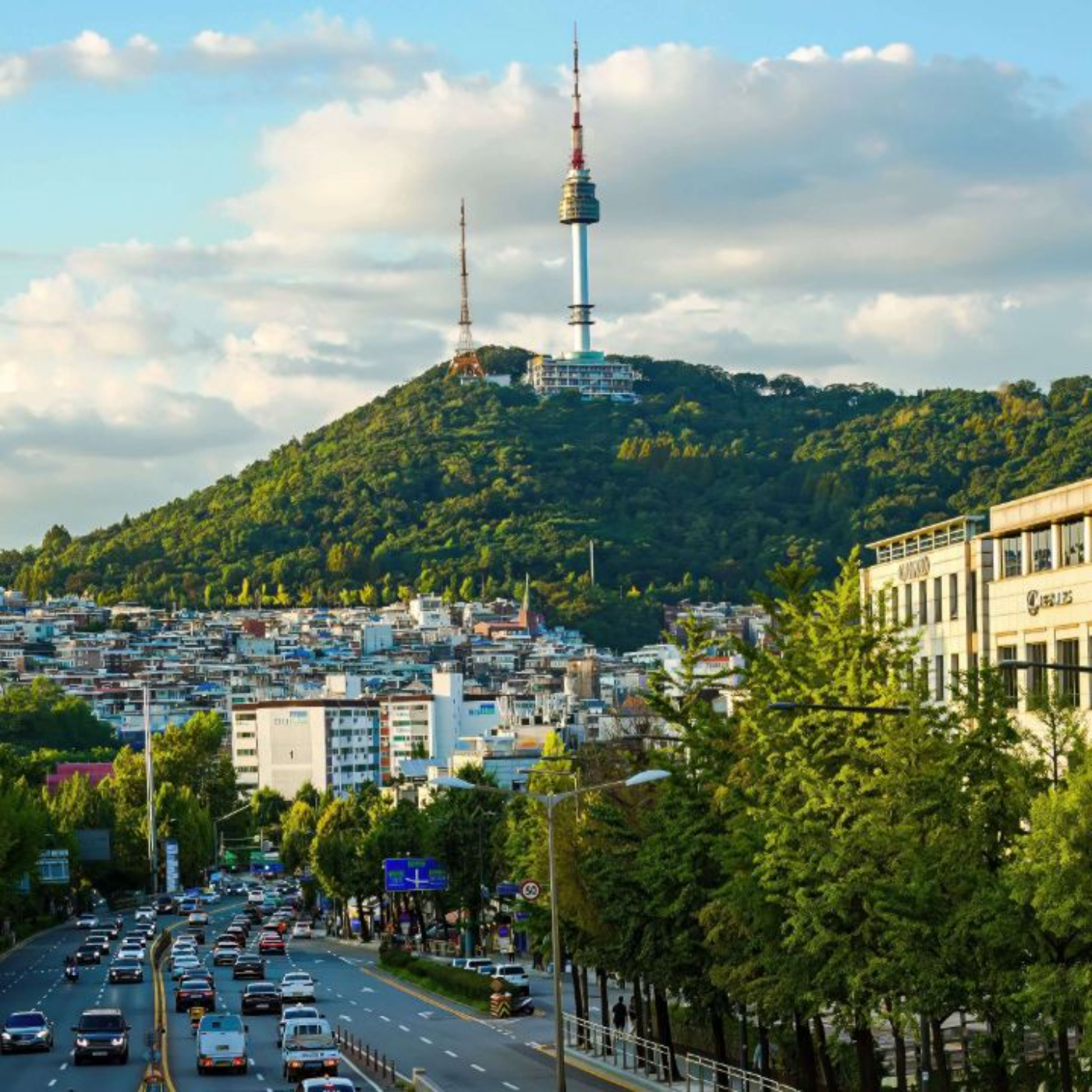
어제 저는 서울에서 아주 바빴어요.
아침에 지하철을 타고 강남에 갔어요.
친구를 만나서 같이 점심을 먹었어요.
점심을 먹은 후에 우리는 서점에 갔어요.
저는 한국어 책을 사고 싶었지만 시간이 별로 없었어요.
그래서 책을 하나만 샀어요.
오후에는 카페에서 숙제를 했어요.
집에 돌아왔을 때 조금 피곤했지만 하루가 재미있었어요.
Vocabulary
| Korean | English |
|---|---|
| 어제 | yesterday |
| 서울 | Seoul |
| 아주 | very |
| 아침 | morning |
| 지하철 | subway |
| 강남 | Gangnam |
| 친구 | friend |
| 같이 | together |
| 점심 | lunch |
| 후 | after |
| 서점 | bookstore |
| 한국어 책 | Korean book |
| 시간 | time |
| 별로 | not very, not much |
| 그래서 | so, therefore |
| 하나만 | only one |
| 오후 | afternoon |
| 숙제 | homework |
| 집 | home, house |
| 하루 | day |
| 바쁘다 | to be busy |
| 타다 | to ride, to take transportation |
| 가다 | to go |
| 만나다 | to meet |
| 먹다 | to eat |
| 사다 | to buy |
| 돌아오다 | to return, to come back |
| 피곤하다 | to be tired |
| 재미있다 | to be fun, interesting |
Sentence Notes
1. 어제 저는 서울에서 아주 바빴어요.
저는 = I / topic
서울에서 = in Seoul
아주 바빴어요 = was very busy
-았/었어요 is used to talk about the past.
2. 아침에 지하철을 타고 강남에 갔어요.
지하철을 타고 = take the subway and
강남에 갔어요 = went to Gangnam
-고 connects two actions in order or in a simple list.
3. 친구를 만나서 같이 점심을 먹었어요.
같이 = together
점심을 먹었어요 = ate lunch
-아/어서 can connect two related actions naturally.
4. 점심을 먹은 후에 우리는 서점에 갔어요.
우리는 = we / topic
서점에 갔어요 = went to a bookstore
-(으)ㄴ 후에 means “after doing something.”
5. 저는 한국어 책을 사고 싶었지만 시간이 별로 없었어요.
한국어 책을 = Korean book / object
사고 싶었지만 = wanted to buy, but
시간이 별로 없었어요 = did not have much time
-지만 means “but” and connects two contrasting ideas.
6. 그래서 책을 하나만 샀어요.
책을 = book / object
하나만 = only one
샀어요 = bought
그래서 shows a result or consequence.
7. 오후에는 카페에서 숙제를 했어요.
카페에서 = at a cafe
숙제를 했어요 = did homework
에서 can show the place where an action happens.
8. 집에 돌아왔을 때 조금 피곤했지만 하루가 재미있었어요.
조금 피곤했지만 = was a little tired, but
하루가 재미있었어요 = the day was fun
-(으)ㄹ 때 means “when.” You will see this pattern often in A2 Korean.
English Translation
Yesterday, I was very busy in Seoul.
In the morning, I took the subway and went to Gangnam.
I met a friend and ate lunch together.
After eating lunch, we went to a bookstore.
I wanted to buy a Korean book, but I did not have much time.
So I bought only one book.
In the afternoon, I did homework at a cafe.
When I came back home, I was a little tired, but the day was fun.
Practice Questions
Try answering these questions in Korean. You can find all the answers in the reading text above.
- 저는 어제 어디에서 바빴어요?
- 저는 아침에 무엇을 탔어요?
- 저는 친구를 만나서 무엇을 먹었어요?
- 점심을 먹은 후에 우리는 어디에 갔어요?
- 저는 무엇을 사고 싶었어요?
- 왜 책을 하나만 샀어요?
- 오후에는 어디에서 숙제를 했어요?
- 집에 돌아왔을 때 저는 어땠어요?