
A Quiet Evening at Home
Read and listen to a short Korean text about spending a quiet evening at home, resting, reading, and enjoying a simple night.
Lesson Info
Listen First
Listen to the audio first. Then read the Korean text below. Try to listen for familiar words like 집, 샤워, 음악, and 책.
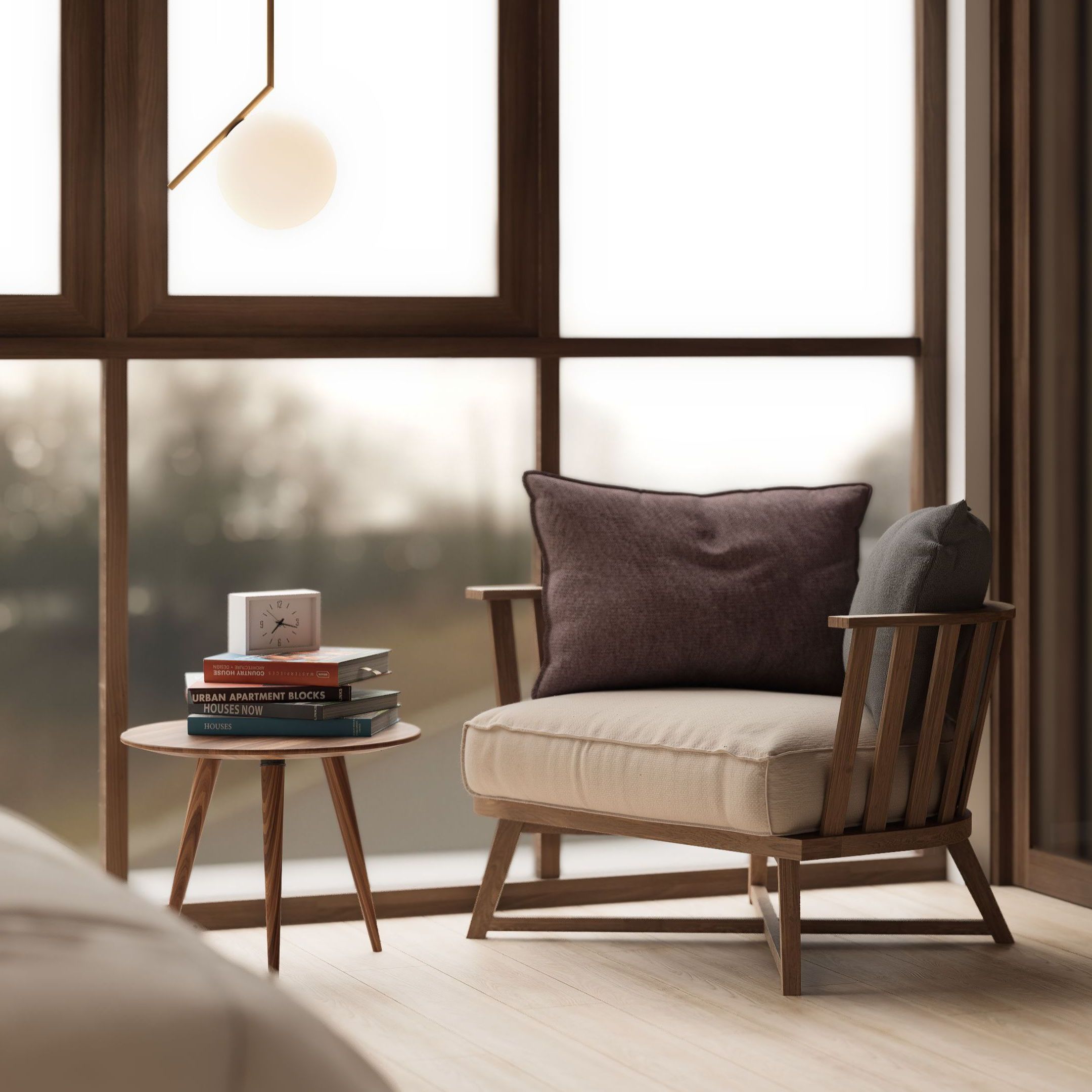
Korean Reading Text
오늘 저녁에 저는 집에 일찍 왔어요.
밖은 조금 추웠어요.
그래서 집에서 조용히 쉬고 싶었어요.
먼저 따뜻한 물로 샤워했어요.
그리고 편한 옷을 입었어요.
저녁으로 간단한 국수를 먹었어요.
음악을 듣고 책을 조금 읽었어요.
휴대폰은 많이 보지 않았어요.
밤에는 방을 조금 정리했어요.
오늘 저녁은 특별하지 않았지만 마음이 편했어요.
Vocabulary
| Korean | English |
|---|---|
| 오늘 저녁 | this evening |
| 집 | home |
| 일찍 | early |
| 밖 | outside |
| 조금 | a little |
| 그래서 | so, therefore |
| 먼저 | first |
| 따뜻한 물 | warm water |
| 샤워 | shower |
| 편한 옷 | comfortable clothes |
| 저녁 | dinner, evening |
| 간단한 국수 | simple noodles |
| 음악 | music |
| 책 | book |
| 휴대폰 | mobile phone |
| 밤 | night |
| 방 | room |
| 마음 | mind, heart |
| 오다 | to come |
| 춥다 | to be cold |
| 쉬다 | to rest |
| 샤워하다 | to take a shower |
| 입다 | to wear, to put on |
| 먹다 | to eat |
| 듣다 | to listen |
| 읽다 | to read |
| 보다 | to see, to watch |
| 정리하다 | to organize, to tidy up |
| 특별하다 | to be special |
| 편하다 | to be comfortable, to feel at ease |
Sentence Notes
1. 오늘 저녁에 저는 집에 일찍 왔어요.
저는 = I / topic
집에 = home
일찍 왔어요 = came early
왔어요 is the past tense of 오다, “to come.”
2. 밖은 조금 추웠어요.
조금 = a little
추웠어요 = was cold
춥다 means “to be cold.”
3. 그래서 집에서 조용히 쉬고 싶었어요.
집에서 = at home
조용히 = quietly
쉬고 싶었어요 = wanted to rest
-고 싶어요 means “want to do something.” In the past tense, it becomes -고 싶었어요.
4. 먼저 따뜻한 물로 샤워했어요.
따뜻한 물로 = with warm water
샤워했어요 = took a shower
-(으)로 can show a tool or method.
5. 그리고 편한 옷을 입었어요.
편한 옷을 = comfortable clothes / object
입었어요 = wore, put on
입다 is used for wearing clothes.
6. 저녁으로 간단한 국수를 먹었어요.
간단한 국수를 = simple noodles / object
먹었어요 = ate
저녁으로 means “for dinner.”
7. 음악을 듣고 책을 조금 읽었어요.
책을 조금 읽었어요 = read a book a little
-고 connects two actions.
8. 휴대폰은 많이 보지 않았어요.
많이 = a lot
보지 않았어요 = did not look at, did not watch
-지 않았어요 is used to make a negative sentence in the past tense.
9. 밤에는 방을 조금 정리했어요.
방을 조금 = my room a little
정리했어요 = organized, tidied up
정리하다 means “to organize” or “to tidy up.”
10. 오늘 저녁은 특별하지 않았지만 마음이 편했어요.
특별하지 않았지만 = was not special, but
마음이 편했어요 = I felt comfortable, I felt at ease
-지만 means “but.” 마음이 편하다 means “to feel comfortable” or “to feel at ease.”
English Translation
This evening, I came home early.
It was a little cold outside.
So I wanted to rest quietly at home.
First, I took a shower with warm water.
Then I put on comfortable clothes.
For dinner, I ate simple noodles.
I listened to music and read a book a little.
I did not look at my phone much.
At night, I tidied up my room a little.
This evening was not special, but I felt at ease.
Practice Questions
Try answering these questions in Korean. You can find all the answers in the reading text above.
- 저는 오늘 저녁에 어디에 일찍 왔어요?
- 밖은 어땠어요?
- 저는 집에서 어떻게 쉬고 싶었어요?
- 먼저 무엇을 했어요?
- 저는 어떤 옷을 입었어요?
- 저녁으로 무엇을 먹었어요?
- 저는 음악을 듣고 무엇을 읽었어요?
- 휴대폰은 많이 봤어요?
- 밤에는 무엇을 정리했어요?
- 오늘 저녁에 마음이 어땠어요?