
Taking the Bus
Read and listen to a short Korean text about taking the bus, using a transportation card, and arriving near work.
Lesson Info
Listen First
Listen to the audio first. Then read the Korean text below. Try to listen for familiar words like 버스, 정류장, 교통카드, and 회사.
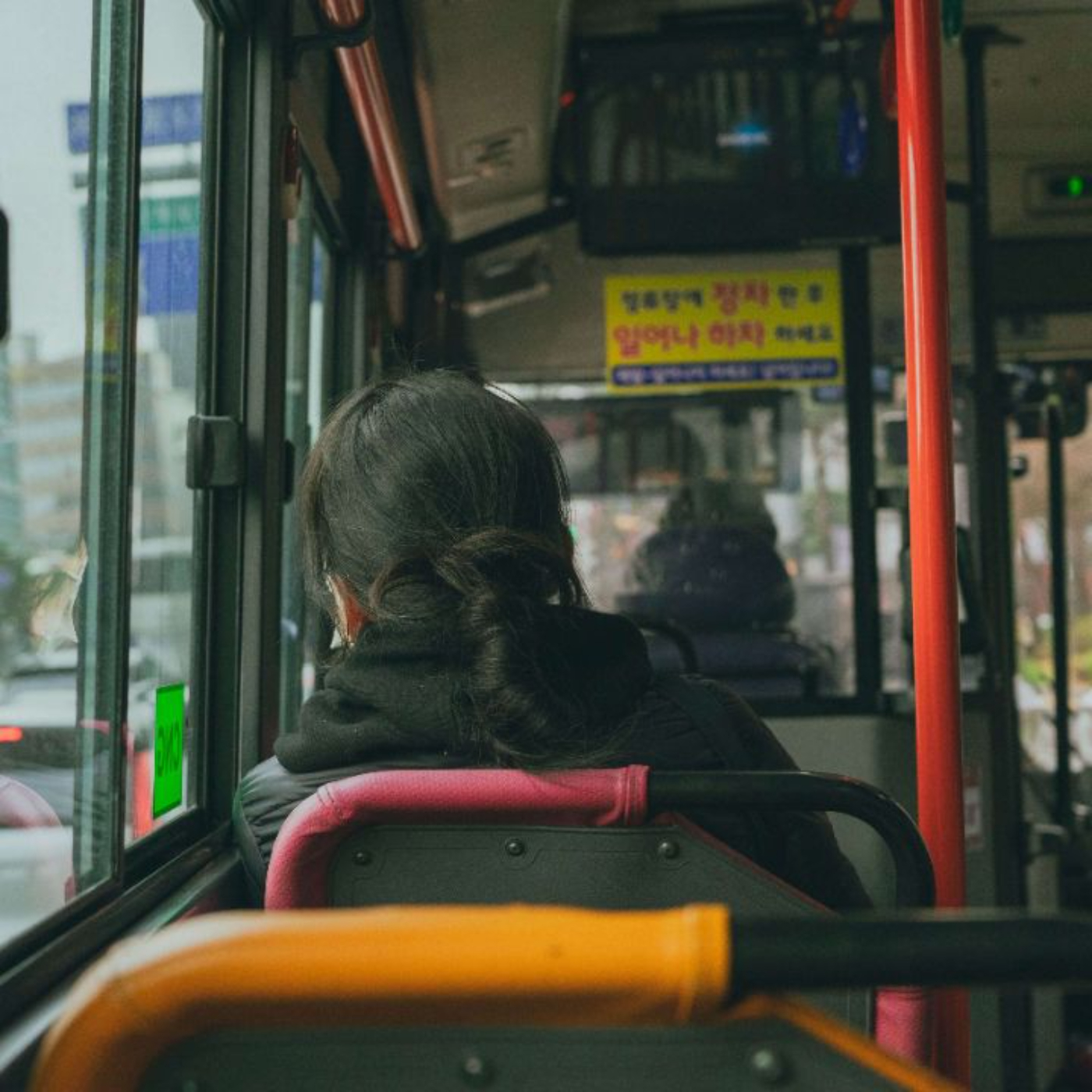
Korean Reading Text
오늘 아침에 저는 버스를 탔어요.
버스 정류장에 사람이 조금 있었어요.
저는 교통카드를 준비했어요.
버스가 와요.
저는 버스에 타고 교통카드를 찍어요.
자리가 없어서 서 있었어요.
창밖을 봐요.
길에 차가 많아요.
20분 후에 회사 근처에 도착했어요.
저는 버스에서 내려요.
오늘은 조금 피곤하지만 괜찮아요.
Vocabulary
| Korean | English |
|---|---|
| 오늘 아침 | this morning |
| 버스 | bus |
| 버스 정류장 | bus stop |
| 사람 | person, people |
| 조금 | a little |
| 교통카드 | transportation card |
| 자리 | seat |
| 창밖 | outside the window |
| 길 | road, street |
| 차 | car |
| 20분 후 | after 20 minutes |
| 회사 근처 | near work, near the company |
| 오늘 | today |
| 피곤하다 | to be tired |
| 괜찮다 | to be okay |
| 타다 | to take, to ride |
| 있다 | to exist, to have |
| 준비하다 | to prepare |
| 오다 | to come |
| 찍다 | to tap, to stamp |
| 서 있다 | to be standing |
| 보다 | to see, to look at |
| 많다 | to be many, a lot |
| 도착하다 | to arrive |
| 내리다 | to get off |
Sentence Notes
1. 오늘 아침에 저는 버스를 탔어요.
저는 = I / topic
버스를 = bus / object
탔어요 = took, rode
타다 means “to take” or “to ride” transportation.
2. 버스 정류장에 사람이 조금 있었어요.
사람이 = people / subject
조금 있었어요 = there were a few
에 can show location. 있었어요 means “there was” or “there were.”
3. 저는 교통카드를 준비했어요.
교통카드를 = transportation card / object
준비했어요 = prepared
In Korea, people often use a 교통카드 for buses and subways.
4. 버스가 와요.
와요 = comes
오다 means “to come.”
5. 저는 버스에 타고 교통카드를 찍어요.
교통카드를 찍어요 = tap my transportation card
-고 connects two actions. In this situation, 찍다 means “to tap” a card.
6. 자리가 없어서 서 있었어요.
서 있었어요 = I was standing
없어서 means “because there is not” or “because there was not.”
7. 창밖을 봐요.
봐요 = look at
보다 means “to see” or “to look at.”
8. 길에 차가 많아요.
차가 = cars / subject
많아요 = there are many
많아요 means “there are many” or “a lot.”
9. 20분 후에 회사 근처에 도착했어요.
회사 근처에 = near work
도착했어요 = arrived
후에 means “after.” 도착하다 means “to arrive.”
10. 저는 버스에서 내려요.
버스에서 = from the bus
내려요 = get off
내리다 means “to get off” transportation.
11. 오늘은 조금 피곤하지만 괜찮아요.
조금 피곤하지만 = I am a little tired, but
괜찮아요 = I am okay
-지만 means “but.”
English Translation
This morning, I took the bus.
There were a few people at the bus stop.
I prepared my transportation card.
The bus comes.
I get on the bus and tap my transportation card.
There was no seat, so I was standing.
I look outside the window.
There are many cars on the road.
After 20 minutes, I arrived near work.
I get off the bus.
Today, I am a little tired, but I am okay.
Practice Questions
Try answering these questions in Korean. You can find all the answers in the reading text above.
- 저는 오늘 아침에 무엇을 탔어요?
- 버스 정류장에 사람이 많았어요?
- 저는 무엇을 준비했어요?
- 저는 버스에 타고 무엇을 찍어요?
- 자리가 있었어요?
- 저는 왜 서 있었어요?
- 저는 무엇을 봐요?
- 길에 무엇이 많아요?
- 20분 후에 어디에 도착했어요?
- 오늘 저는 피곤해요?