Invited to a Korean Home? 3 Golden Rules to Impress Your Host
Dec 20, 2025
So, you’ve finally done it. You made a Korean friend, and they’ve said the magic words: "Do you want to come over to my place?" This is a huge milestone! In Korea, inviting someone home is a sign of deep trust and Jeong (affection). But suddenly, panic sets in. You remember scenes from K-Dramas where the mother-in-law scowls, or someone gets scolded for bad manners. Don't worry. Korean home etiquette isn't about being perfect; it's about showing respect. Here are the 3 most important things to remember to ensure you get invited back!
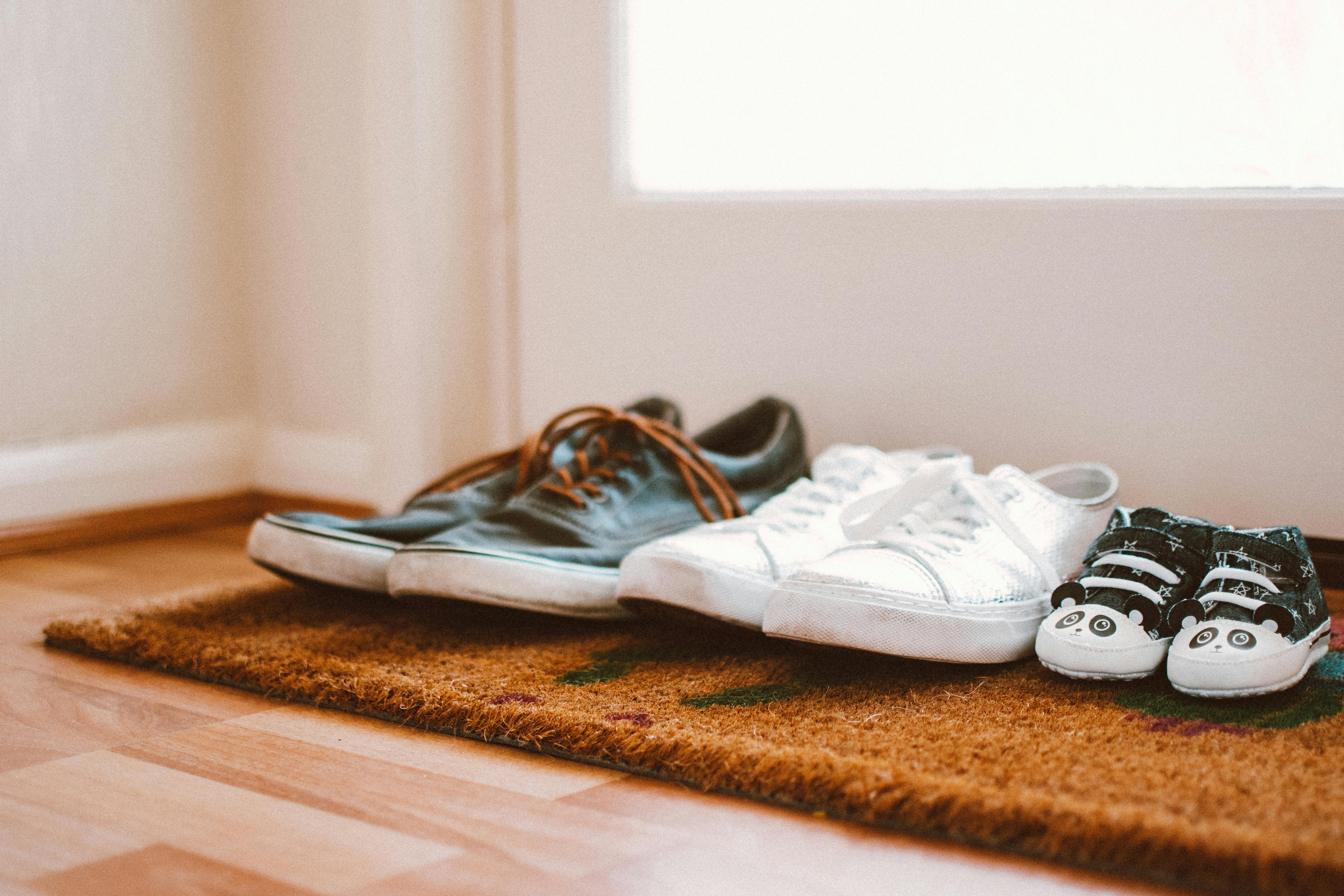
1. The "Hyun-gwan" Border Control: Shoes OFF! If you remember only one thing from this post, let it be this: Never, ever walk into a Korean home with your shoes on. In Western culture, keeping shoes on might be acceptable. In Korea, the floor is where people sit, sleep, and live. Walking in with shoes is seen as bringing the dirt of the outside world into their clean sanctuary.
-
Pro Tip: Look for the 현관[Hyun-gwan] (entryway). It’s usually lower than the rest of the floor. Take your shoes off there.
-
Bonus Points: Don't just kick them off! Turn your shoes around so the toes face the door. This small gesture shows you are organized and considerate.
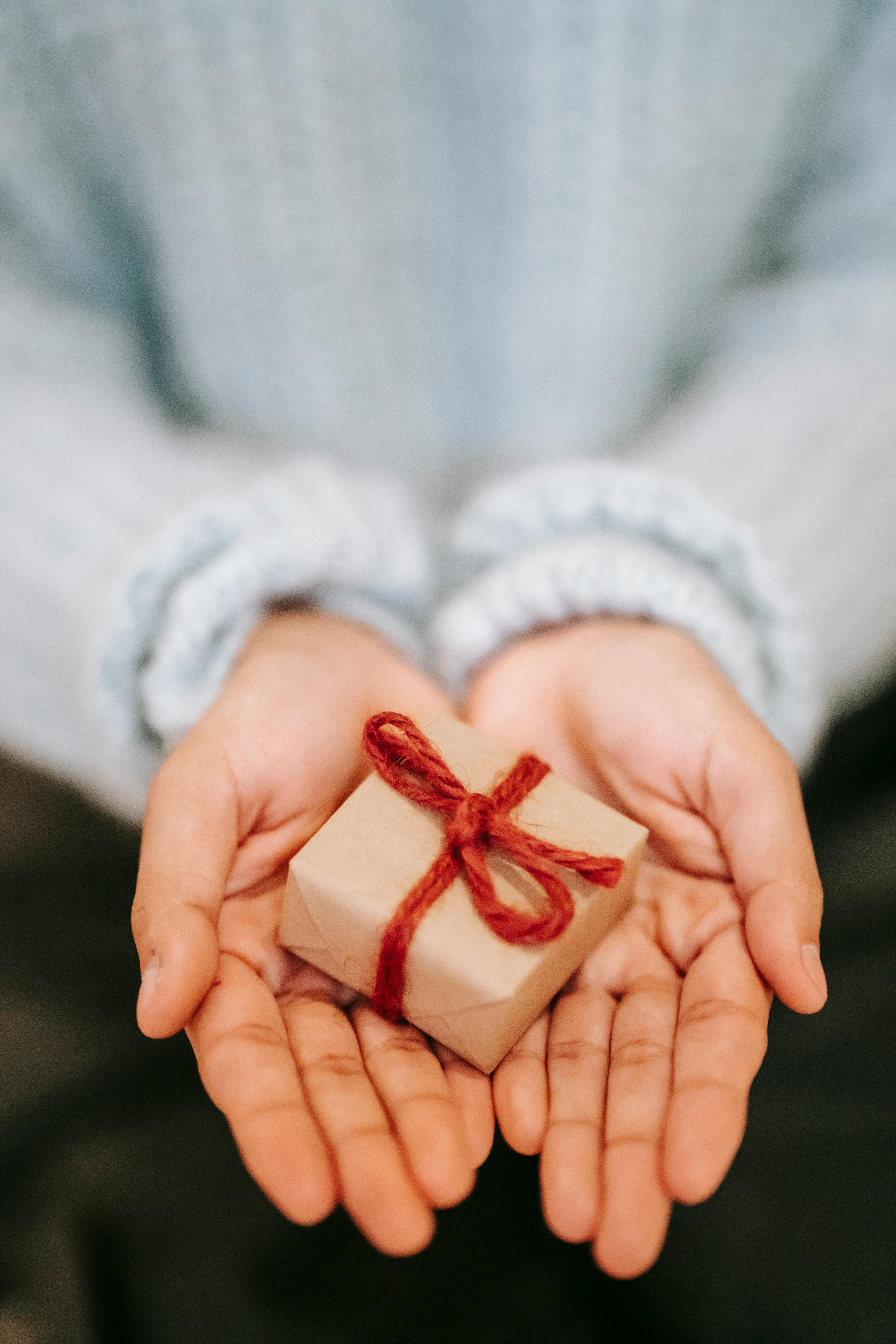
2. The "Empty Hand" Syndrome: Don't Be a Victim In English, "empty-handed" just means you aren't holding anything. In Korean, "Bin-son" (빈손) is something we actively avoid when visiting someone. It is considered polite to bring a small gift as a token of gratitude for the invitation. You don't need to buy expensive luxury goods!
-
Safe Bets: A box of seasonal fruit (strawberries, peaches), a roll cake, or some nice juice.
-
Fun Fact: If it's a Jip-deuri (Housewarming party for a new home), Koreans often gift Toilet Paper or Laundry Detergent. Why? The rolling paper symbolizes "everything unrolling smoothly," and the bubbles symbolize "wealth bubbling up." So if someone gives you toilet paper, say thank you!
3. The Dining Table: The "Elders First" Rule If you are eating a meal with your friend's family, the seating and eating order matter. Korean culture respects hierarchy. Even if you are hungry, wait until the oldest person at the table lifts their spoon or chopsticks. Once they start eating, you can start too. Also, before you start, a cheerful "Jal meok-get-seum-ni-da" (I will eat well / Thank you for the food) will instantly warm the atmosphere. It’s the best seasoning you can add to any meal.
Visiting a Korean home is a beautiful way to experience the culture intimately. Don't be too stressed about memorizing every single rule. If you make a mistake, just smile and apologize. Koreans know you are learning and will appreciate your effort to respect their culture. Just remember: Shoes off, hands full (with a gift), and wait for the elders!
Author