"How Old Are You?": Why Koreans Ask Your Age on Day One
Mar 26, 2026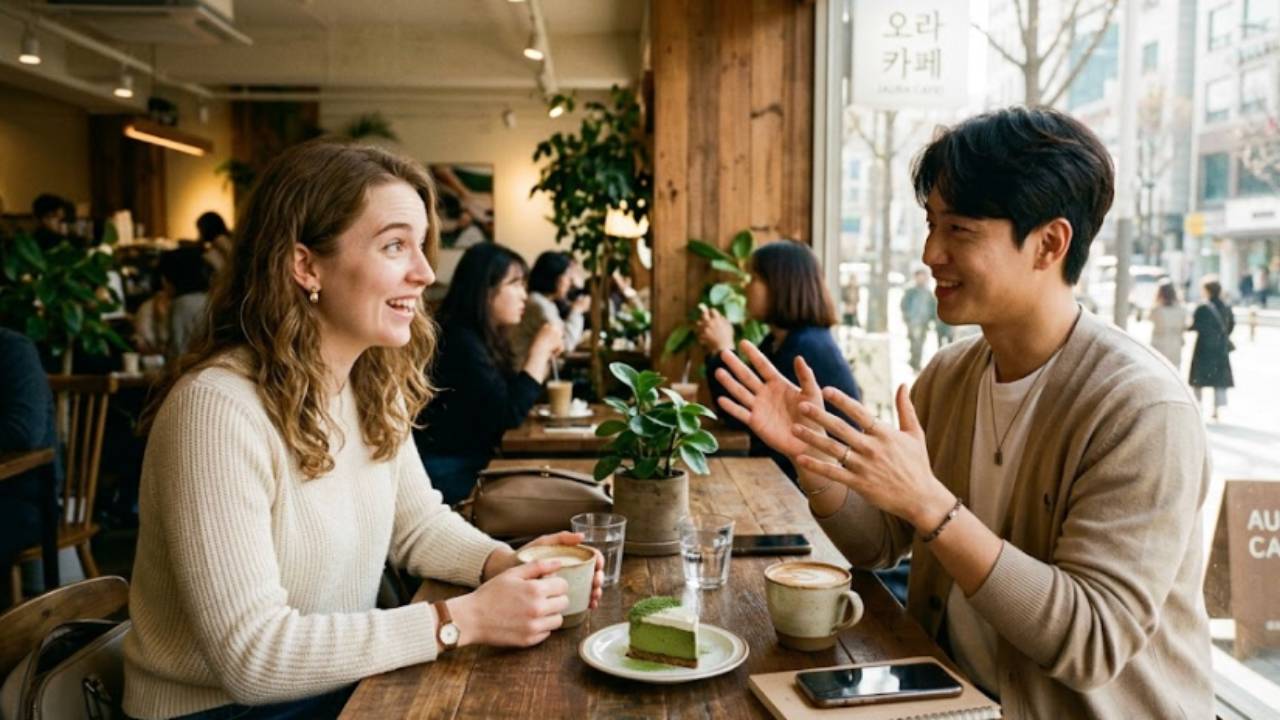
Imagine this: You are at a language exchange meetup or a dinner party in Seoul. You meet a friendly Korean local. You exchange names, smile, and then, within the first five minutes, they ask the ultimate taboo question in Western culture: "How old are you?" If you felt a wave of panic or thought, "Wow, that's a bit rude," you are not alone! For many Westerners, age is a private matter. But in Korea, asking your age isn't about judging your wrinkles or your life achievements. It is the absolute first step to functioning in Korean society. Here is why Koreans must scan your age before they can truly become your friend.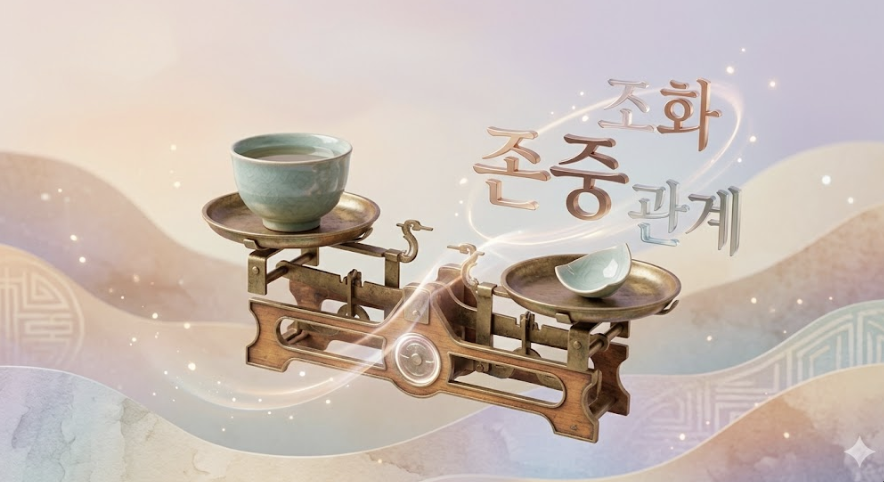
1. Age is the "Operating System" of the Language In English, you can say "Hi, did you eat?" to a 5-year-old child, your 30-year-old friend, or an 80-year-old grandfather. The words don't change. In Korean, the language changes completely based on the age gap. Before a Korean person speaks to you, their brain needs to know which "politeness software" to run:
-
Jondaetmal (Formal): If you are older.
-
Banmal (Informal): If you are the same age or younger. If they don't know your age, they literally don't know which verb endings to use! Asking your age is their way of figuring out how to show you the proper respect.
2. The Ultimate Question: "What Year Were You Born?" Because the concept of "Korean Age" (where you are 1 year old at birth) used to be very confusing, Koreans found a foolproof workaround. Instead of asking "How old are you?", they will often ask:
-
"Myeot nyeon-saeng iseyo?" (몇 년생이세요? - What year were you born?) If you answer, "I'm a 95-liner (95 nyeon-saeng)," the calculation is instantly done. If they were born in 1994, they are the older one. If they were born in 1995, congratulations—you are now officially Chingu (friends of the same age)!
3. Instant Family: Oppa, Hyung, Unnie, Noona Once the age hierarchy is established, something beautiful happens. You don't just become an older or younger acquaintance; you are invited into a family-like dynamic. In Korea, calling someone older by their first name (e.g., "Hey, Ji-hoon!") is considered incredibly rude. Instead, you use familial titles:
-
Oppa / Hyung: Older brother.
-
Unnie / Noona: Older sister. These aren't just words; they come with roles. The "older sibling" usually pays for dinner, guides the younger ones, and takes care of them. The younger ones show respect and follow their lead. It’s a warm, invisible web of care (Jeong).
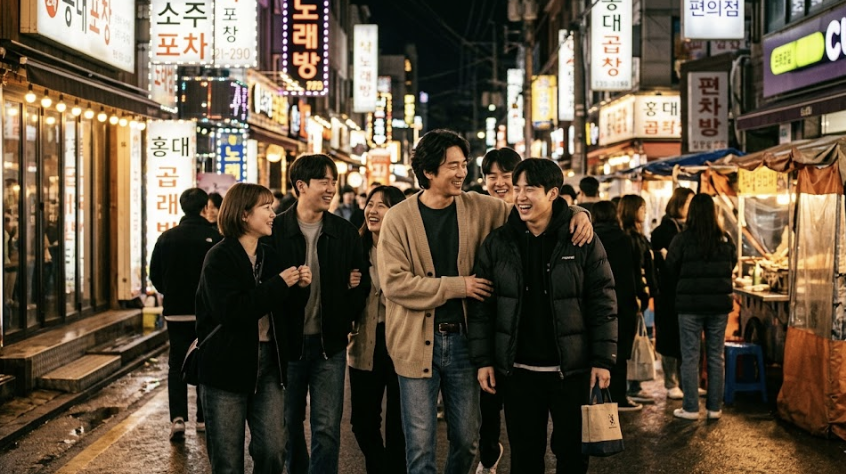
The next time a Korean person asks your age within minutes of meeting you, don't be offended. Smile and tell them your birth year. They aren't trying to invade your privacy; they are simply trying to find the right drawer in their heart to place you in. It’s their way of saying, "I want to communicate with you properly, and I want to respect you."
Author